
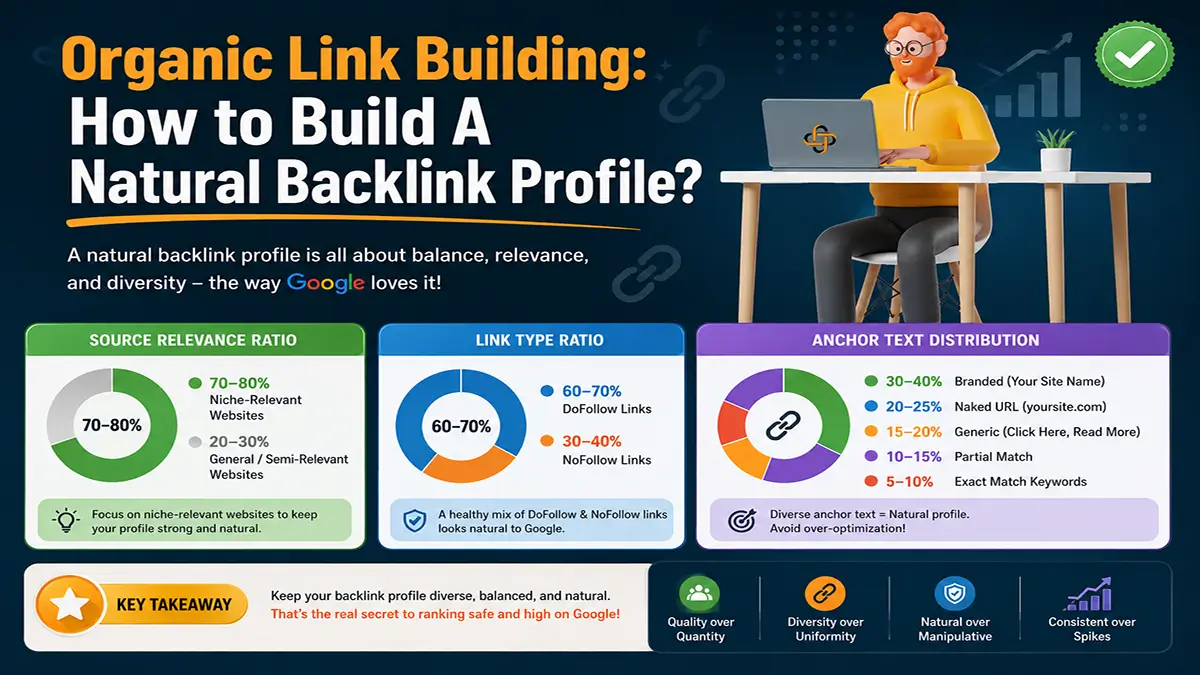
A natural backlink profile is a balanced combination of different link types that looks completely organic to Google. At least 70–80% of your backlinks should come from niche-relevant websites, while the remaining 20–30% can be from general or semi-relevant sources. For link type ratio, a healthy profile maintains around 60–70% DoFollow and 30–40% NoFollow links — because having 100% DoFollow links looks suspicious to Google. NoFollow links from social media, forums, and blog comments are a completely normal part of any real backlink profile.
Anchor text distribution is equally important — your safest ratio is 30–40% branded anchors (your site name), 20–25% naked URLs (yoursite.com), 15–20% generic anchors (like “click here” or “read more”), 10–15% partial match, and only 5–10% exact match keywords. Over-optimizing any single ratio sends a red flag to Google. Keep your profile diverse, balanced, and natural — and your backlink profile will always stay safe and penalty-free.
In this guide, we have covered everything you need to know about organic link building — from proven strategies to earn natural backlinks to the exact ratios that keep your profile Google-safe.
What Is Organic Link Building?
Organic link building is the process of earning backlinks naturally through valuable content, real outreach, and genuine website authority instead of manipulative SEO tactics. The goal is to build a natural backlink profile that improves rankings safely and supports long-term search visibility.
Organic vs. Paid Link Building — What’s the Difference?
Organic link building focuses on relevance, trust, and editorial value. Paid link schemes often prioritize volume and manipulation.
Organic Link Building
- Earned naturally
- Contextual placements
- Sustainable SEO growth
- Safer against Google algorithm updates
- Builds long-term authority
Paid or Manipulative Link Building
- Often automated
- High risk of manual penalty
- Low-quality or spammy placements
- Short-term ranking spikes
- Vulnerable to deindexing
Google’s algorithms increasingly identify unnatural patterns, making ethical SEO strategies more important than ever.
What Makes a Backlink “Natural”?
A backlink appears natural when it fits contextually within content and comes from a relevant source. Google expects websites to earn links gradually from different domains, industries, and content formats instead of receiving hundreds of identical backlinks within a short period.
Several factors make backlinks look organic:
- Balanced anchor text ratio
- Mix of dofollow and nofollow links
- Relevant referring domains
- Diverse backlink sources
- Natural link velocity
- Contextual placements inside quality content
For example, a branded anchor from an industry blog looks far more natural than repeated exact-match keyword anchors from unrelated websites.
Why Does a Natural Backlink Profile Matter for SEO?
A natural backlink profile helps search engines understand that a website has earned trust organically. Google uses backlinks as authority signals, but it also analyzes how those links are acquired. Profiles that appear manipulated often lose rankings during algorithm updates.
How Google Evaluates Your Backlink Profile?
Google evaluates backlink profiles using multiple signals, including:
- Referring domain relevance
- Link placement context
- Anchor text diversity
- Link quality
- Root domain diversity
- Link velocity
- Spam patterns
Search engines also analyze whether backlinks come from trustworthy websites with real traffic and topical relevance. A smaller number of quality backlinks usually provides more SEO value than a large volume of low-quality links.
The Risk of Unnatural Links (Penalties & Deindexing)
Unnatural backlinks can seriously damage SEO performance. Google may apply algorithmic filters or manual penalties if a backlink profile shows manipulation patterns such as:
- Excessive exact match anchors
- Spammy directory links
- PBN backlinks
- Automated link generation
- Irrelevant website placements
In severe cases, websites may experience ranking drops, traffic loss, or partial deindexing. Recovering from these penalties often requires backlink audits, removing toxic links, and submitting a link disavow file through Google Search Console.
Long-Term SEO Benefits of Organic Link Building
Organic link building strengthens overall SEO authority and creates stable rankings that survive algorithm updates. Because the backlinks are earned naturally, they continue passing link equity and authority signals for years.
Key long-term benefits include:
- Stronger keyword rankings
- Higher organic traffic
- Improved brand trust
- Better topical authority
- Increased referral traffic
- Sustainable search visibility
Websites with healthy backlink profiles also gain more flexibility when publishing new content because search engines already trust the domain.
Key Characteristics of a Natural Backlink Profile
A natural backlink profile looks balanced, diverse, and earned over time. Google does not expect every backlink to come from the same type of website, use the same anchor text, or appear at the same speed. Healthy backlink profiles grow gradually through relevant content, editorial mentions, and different forms of link acquisition.
Diversity of Link Sources (Domains, Types & Niches)
A healthy backlink profile contains links from:
- Blogs
- News sites
- Directories
- Forums
- Resource pages
- Industry publications
Strong root domain diversity prevents over-dependence on a small number of referring websites.
Anchor Text Variation — Why It Matters?
Anchor text variation is one of the most important parts of organic link building. Using the same keyword repeatedly creates an unnatural pattern that Google can easily detect. A safe backlink profile contains a balanced mix of different anchor types.
A recommended anchor text ratio looks like this:
- 30–40% branded anchor text
- 20–25% naked URL anchors
- 15–20% generic anchors
- 10–15% partial match anchors
- 5–10% exact match anchors
For example:
- Branded Anchor: Intolink
- Naked URL: intolink.io
- Generic Anchor: click here
- Partial Match Anchor: White hat link building strategies
- Exact Match Anchor: Organic link building
Branded and naked URL anchors usually dominate natural backlink profiles because that is how websites are commonly referenced online. Overusing exact-match keywords sends a strong spam signal and increases the risk of algorithmic penalties.
DoFollow vs. NoFollow Link Ratio
A natural backlink profile always includes both dofollow and nofollow links. Websites that only receive dofollow backlinks often appear manipulated because real websites naturally attract nofollow mentions from social media, forums, comments, and community platforms.
A healthy ratio usually remains around:
- 60–70% DoFollow links
- 30–40% NoFollow links
NoFollow links still provide value because they help diversify the profile, generate referral traffic, and make backlink growth appear natural. Search engines expect this balance across all real websites.
Link Velocity — How Fast Should You Earn Links?
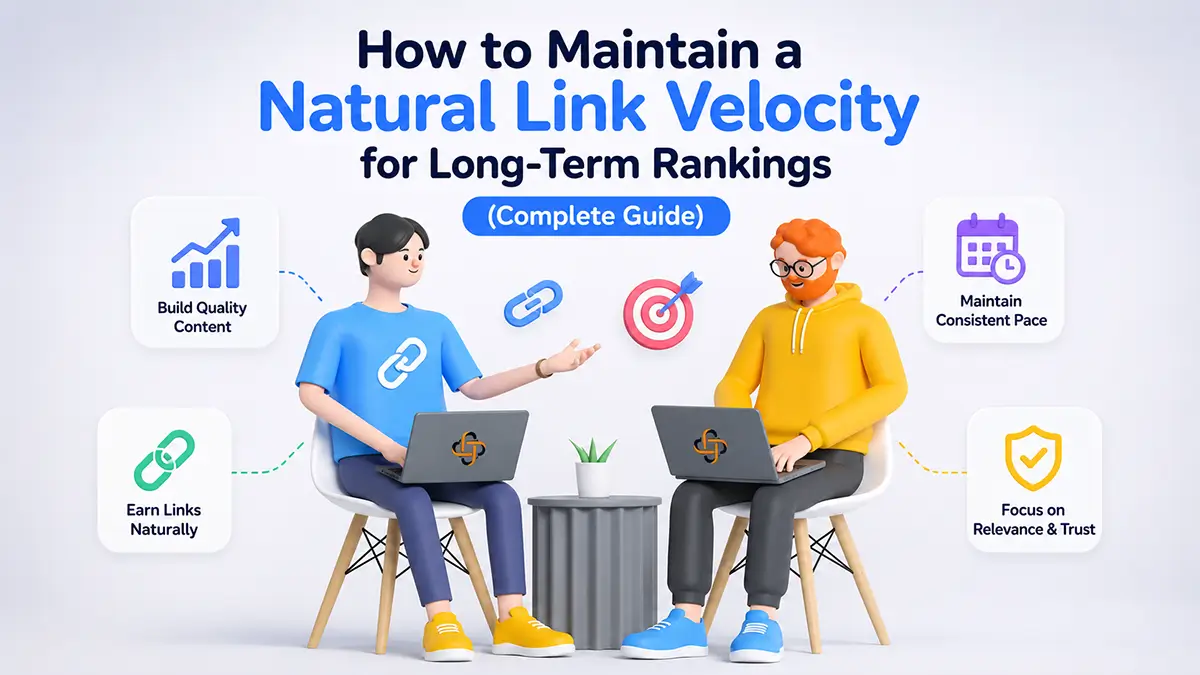
Link velocity refers to the speed at which a website gains backlinks. Backlink growth should happen steadily and naturally rather than appearing suddenly in large numbers. If a new website suddenly receives hundreds of backlinks within a few days, Google may treat it as suspicious activity or automated link generation. Healthy link acquisition follows a gradual pattern based on:
- Content publishing frequency
- Brand visibility
- Marketing activity
- Industry competition
Consistent growth is safer than aggressive bursts. A steady increase in backlinks over several months looks far more organic than unnatural spikes followed by inactivity.
Relevance of Linking Pages and Domains
You need to keep track of how many referring domains you are getting backlinks from, which links are being generated, and whether they are toxic or not. A niche-relevant backlink from a smaller but trusted industry website often provides more SEO value than an unrelated high-DA site.
Always monitor:
- Referring domains
- Spam score
- Content relevance
- Traffic quality
- Link context
How to Build Organic Backlinks — Proven Strategies
Organic backlinks are earned through valuable content, strategic outreach, and consistent relationship building. The goal is to create a backlink profile that grows naturally while improving the long-term SEO strategy.
1. Create Link-Worthy Content (Linkable Assets)
High-quality content naturally attracts backlinks because people reference useful resources in their own articles. Strong linkable assets include:
- Original research
- Industry statistics
- Ultimate guides
- Free tools
- Templates
- Infographics
Content that solves real problems usually earns backlinks more consistently over time.
2. Guest Posting on Relevant, Authority Sites
Guest posting remains one of the safest and most effective link building strategies when focused on relevant websites. Publishing valuable content on niche-related authority sites helps build:
- Contextual backlinks
- Brand authority
- Referral traffic
- Industry visibility
The focus should always remain on quality and relevance rather than mass guest posting.
3. Broken Link Building
Broken link building involves finding dead links on websites and suggesting your content as a replacement. Since broken links create poor user experience, many site owners are open to replacing them with relevant resources. This strategy helps earn contextual backlinks while also providing value to website owners.
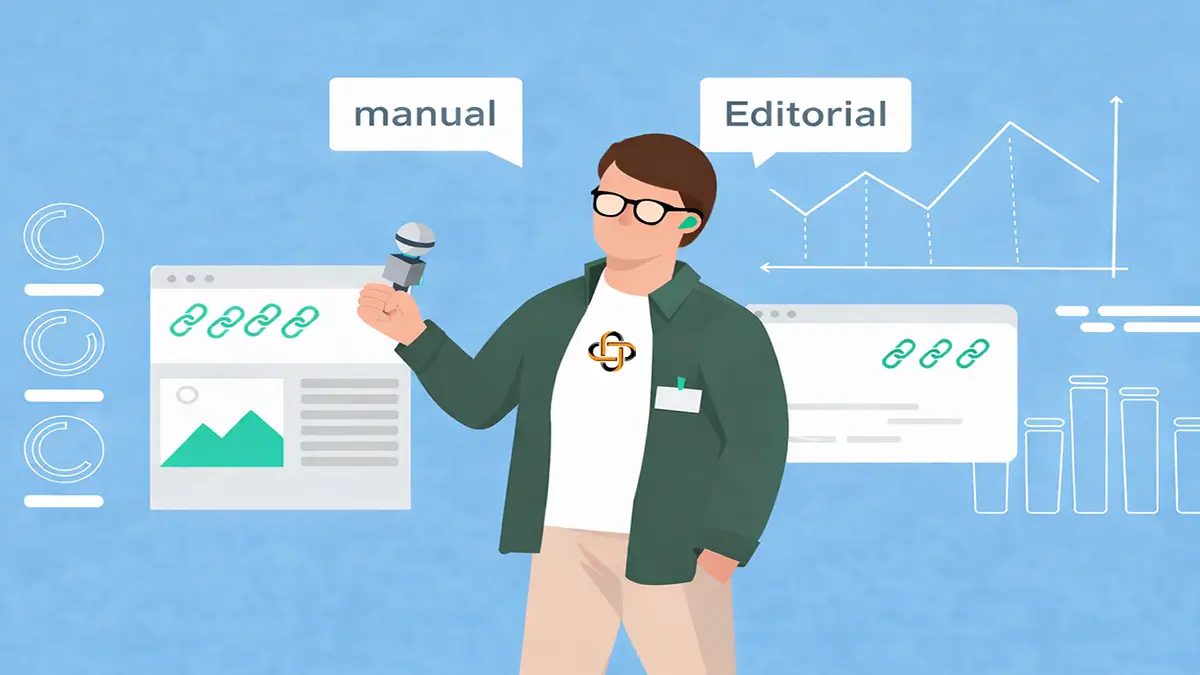
4. Digital PR & Brand Mentions
Digital PR helps generate backlinks through media coverage, interviews, expert insights, and industry mentions. Strong PR campaigns improve:
- Brand visibility
- SEO authority
- Trust signals
- High-authority backlinks
5. Resource Page Link Building
Many websites maintain resource pages that link to useful tools, guides, and educational content. If your content genuinely adds value, these pages can provide highly relevant backlinks.
Resource page links often remain stable for long periods because they are added for informational purposes.
6. HARO (Help a Reporter Out) & Expert Quotes
HARO connects journalists with industry experts looking for quotes and insights. Providing useful responses can earn backlinks from:
- News websites
- Media publications
- Industry blogs
These editorial links usually carry strong authority and trust signals
7. Skyscraper Technique
The skyscraper technique focuses on improving existing popular content. The process usually involves:
- Finding top-performing content
- Creating a better version
- Reaching out to websites already linking to similar resources
Improved content often attracts more backlinks because it offers updated information and better value.
8. Internal Linking as a Supporting Strategy
Internal linking supports organic SEO by distributing link equity across important pages. It helps search engines understand content relationships while improving crawlability and user navigation.
Strong internal linking also increases the ranking potential of high-priority pages by passing authority throughout the website.
What Type of Content Naturally Attracts Backlinks?
Certain types of content consistently earn backlinks because they provide unique value, useful insights, or shareable information. Content that solves problems, presents data clearly, or becomes a reliable reference source naturally attracts more organic mentions and editorial links.
Original Research & Data Studies
Original data is one of the strongest link-building assets in SEO. Surveys, industry reports, trend analysis, and research findings are frequently cited by bloggers, journalists, and publishers looking for reliable statistics. Unique research also helps establish topical authority and increases the chances of earning editorial backlinks from high-authority websites.
Ultimate Guides & How-To Articles
Comprehensive guides often become reference resources within a niche. Detailed tutorials that explain complex topics step-by-step usually perform well because they provide long-term informational value.
Well-structured guides also increase the following:
- Average time on page
- User engagement
- Shareability
- Organic backlink opportunities
Infographics & Visual Assets
Visual content makes complex information easier to understand and share. Infographics, charts, diagrams, and custom visuals are frequently embedded by bloggers and publishers with attribution links.
Strong visual assets also improve content reach across:
- Social media
- News articles
- Educational resources
- Industry blogs
Free Tools, Templates & Calculators
Useful tools naturally attract recurring backlinks because they solve practical problems. Templates, calculators, generators, and free utilities often become evergreen resources that continue earning links over time. These assets also improve user engagement and repeat traffic.
Case Studies & Real-World Examples
Case studies provide practical insights backed by real outcomes. Content based on real campaigns, experiments, or growth strategies tends to earn trust more easily because it demonstrates actual experience rather than theory alone. Detailed examples also help websites build credibility within competitive industries.
How to Analyze Your Current Backlink Profile?
Regular backlink analysis helps identify strengths, detect toxic links, and maintain a healthy SEO foundation. Monitoring backlink quality is essential because poor-quality links can weaken rankings and increase the risk of penalties over time.
Best Free & Paid Tools (Ahrefs, SEMrush, Google Search Console)
Several SEO tools provide detailed backlink data and profile analysis.
- Google Search Console helps monitor indexed backlinks, manual actions, and referring domains directly from Google.
- Ahrefs provides advanced backlink analysis, lost link tracking, anchor text reports, and competitor research.
- SEMrush offers backlink audits, toxicity scoring, and spam analysis tools for backlink cleanup.
What Metrics to Check (DA, DR, Spam Score, Relevance)?
Backlink quality should always be evaluated using multiple metrics instead of focusing on authority scores alone.
Important factors include:
- Domain Authority (DA)
- Domain Rating (DR)
- Spam Score
- Organic traffic
- Topical relevance
- Referring domain quality
- Anchor text diversity
A relevant backlink from a trustworthy website usually provides more long-term value than a high-authority but unrelated domain.
How to Identify Toxic or Spammy Backlinks?
Toxic backlinks often come from:
- Spam directories
- PBN networks
- Irrelevant foreign websites
- Auto-generated pages
- Gambling or adult domains
- Low-quality link farms
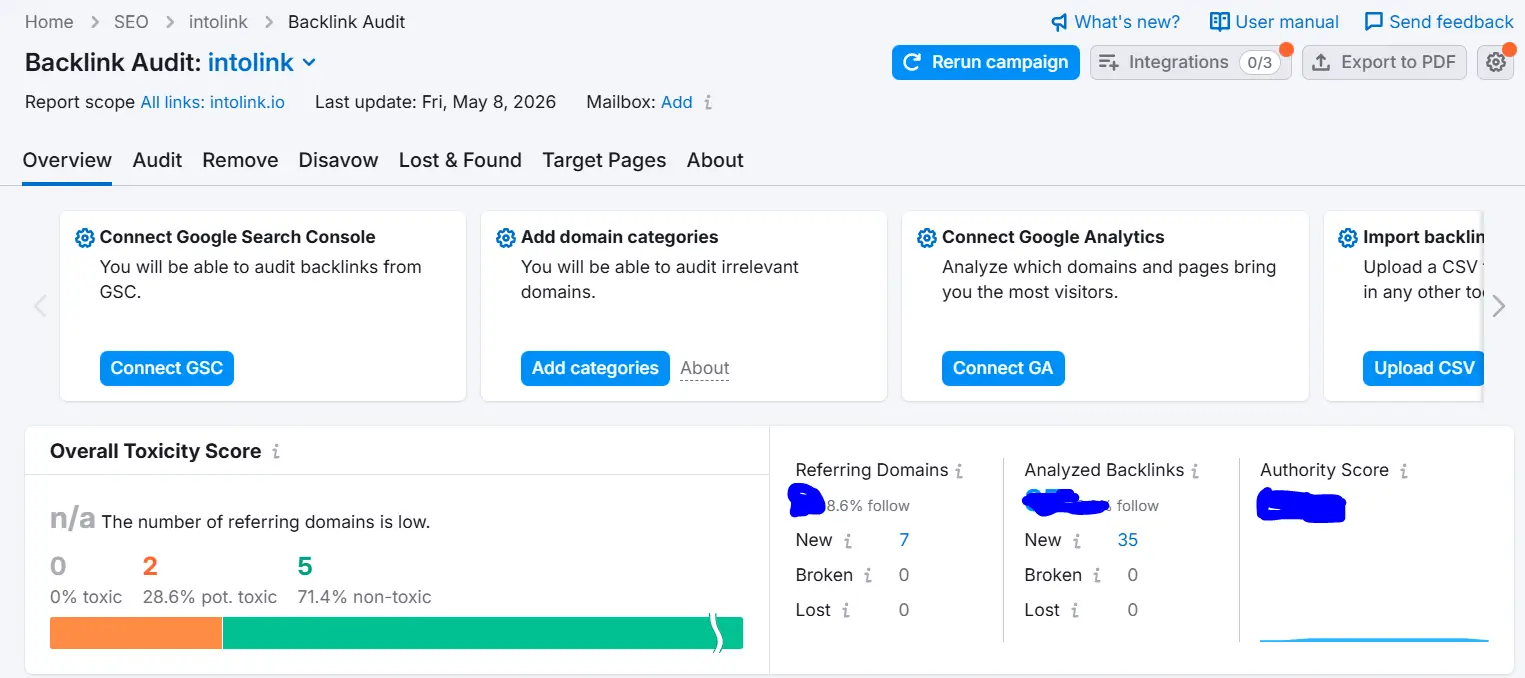
The easiest way to detect harmful backlinks is through SEMrush Backlink Audit. The tool automatically highlights suspicious domains, toxic scores, and risky backlink patterns that may negatively impact SEO performance.
Signs of spammy backlinks include:
- Very high spam scores
- Irrelevant content
- Duplicate pages
- Excessive outbound links
- Unnatural anchor texts
Regular backlink audits help prevent long-term SEO damage.
Step-by-Step: How to Disavow Bad Links?
If toxic backlinks cannot be removed manually, they can be disavowed using Google’s Disavow Tool.
Step 1: Run a Backlink Audit
- Use SEMrush Backlink Audit or Ahrefs to identify suspicious domains and toxic backlinks.
Step 2: Create a Disavow List
- Prepare a domain-based disavow file using best practices. In most cases, disavowing entire domains is safer than targeting individual URLs.
Example:
domain:spamwebsite.com
domain:badlinks.net
Step 3: Open Google Disavow Tool
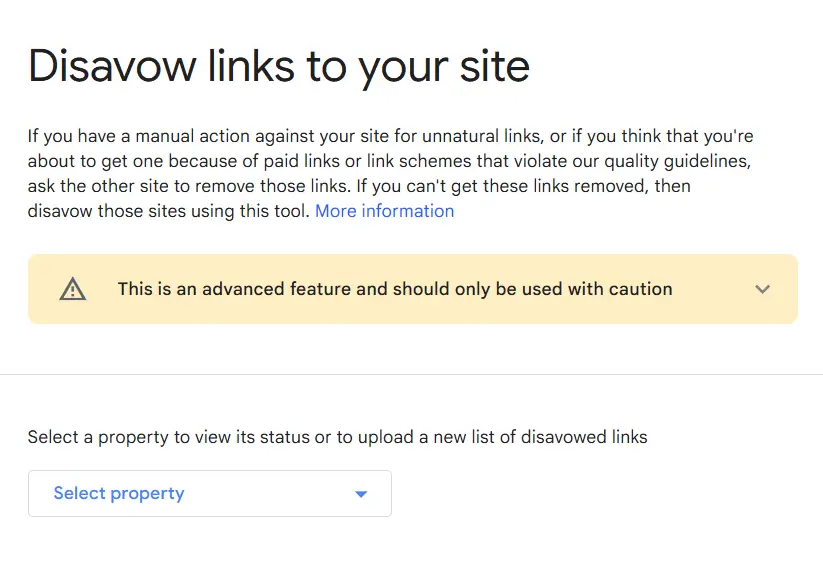
- Go to the Google Disavow Tool and select the correct targeted property inside Google Search Console.
Step 4: Upload the File
- Submit the disavow list to Google for processing.
Step 5: Wait for Google Processing
- Google usually takes around 2–12 weeks to fully process and reevaluate disavowed backlinks, depending on crawl frequency and indexing activity.
Common Organic Link Building Mistakes to Avoid
Many websites fail to build sustainable rankings because they focus on shortcuts instead of long-term SEO practices. Avoiding common backlink mistakes is essential for maintaining a healthy and penalty-free backlink profile.
- Buying Links or Joining Link Schemes: Purchased links create long-term risks and often violate Google guidelines.
- Over-Optimized Anchor Text: Excessive exact-match anchors significantly increase spam signals.
- Ignoring Relevance for the Sake of Authority: Relevance always matters more than inflated metrics of authority.
- Building Links Too Fast (Unnatural Velocity): Aggressive link spikes frequently trigger algorithmic suspicion.
- Neglecting Link Quality Over Quantity: Ten relevant backlinks often outperform hundreds of low-quality ones.
Remember that Natural link building focuses on quality, relevance, and steady growth instead of risky SEO shortcuts.
How Long Does Organic Link Building Take to Show Results?
Organic link building is a long-term SEO process. Rankings usually improve gradually as search engines recrawl backlinks, evaluate authority signals, and build trust around the website.
Realistic Timeline Expectations
Most websites begin seeing noticeable improvements within:
- 3–6 months for moderate competition
- 6–12 months for competitive niches
SEO growth compounds gradually over time.
Factors That Speed Up or Slow Down Results
Results depend on:
- Website age
- Competition level
- Content quality
- Existing authority
- Outreach consistency
- Technical SEO health
Organic Link Building Checklist (Quick Reference)
Use this checklist to ensure your link-building strategy is always natural, safe, and effective.
Content & Linkable Assets
- Created at least one ultimate guide or long-form resource
- Published original research, data, or case study
- Designed infographics or visual assets worth linking to
- Built a free tool, template, or calculator
- Every piece of content solves a real problem for the reader
Backlink Profile Health
- 70–80% links from niche-relevant websites
- 60–70% DoFollow and 30–40% NoFollow ratio maintained
- Anchor text distribution is diverse and balanced
- No sudden spike in link velocity
- Links coming from multiple unique root domains
Link Building Strategies
- Guest posted on at least 2–3 relevant authority sites
- Done broken link building outreach this month
- Submitted the site to the relevant resource pages
- Used HARO or expert quote opportunities
- Applied the Skyscraper Technique on the top competitor’s content
Outreach & Relationships
- Personalize every outreach email before sending
- Followed up at least once on unanswered emails
- Built real relationships with other bloggers and site owners
- Responded to brand mentions and requested link attribution
Backlink Audit & Cleanup
- Checked backlink profile monthly in Ahrefs or SEMrush
- Identified and reviewed all toxic or spammy links
- Submitted disavow file for confirmed harmful links
- Monitored Google Search Console for manual penalties
Internal Linking
- Added internal links to every new post published
- Linked to high-priority pages from relevant existing posts
- Used natural, descriptive anchor text for internal links
Review this checklist at least once every month. Consistency is what creates real SEO improvement over time.
Final Thoughts — Build Links the Right Way for Lasting SEO Success
Organic link building is not about manipulating Google. It is about building genuine authority through valuable content, strategic outreach, and sustainable SEO practices. A balanced backlink profile with proper anchor text distribution, healthy link velocity, relevant referring domains, and consistent relationship building creates long-term stability that survives algorithm updates.