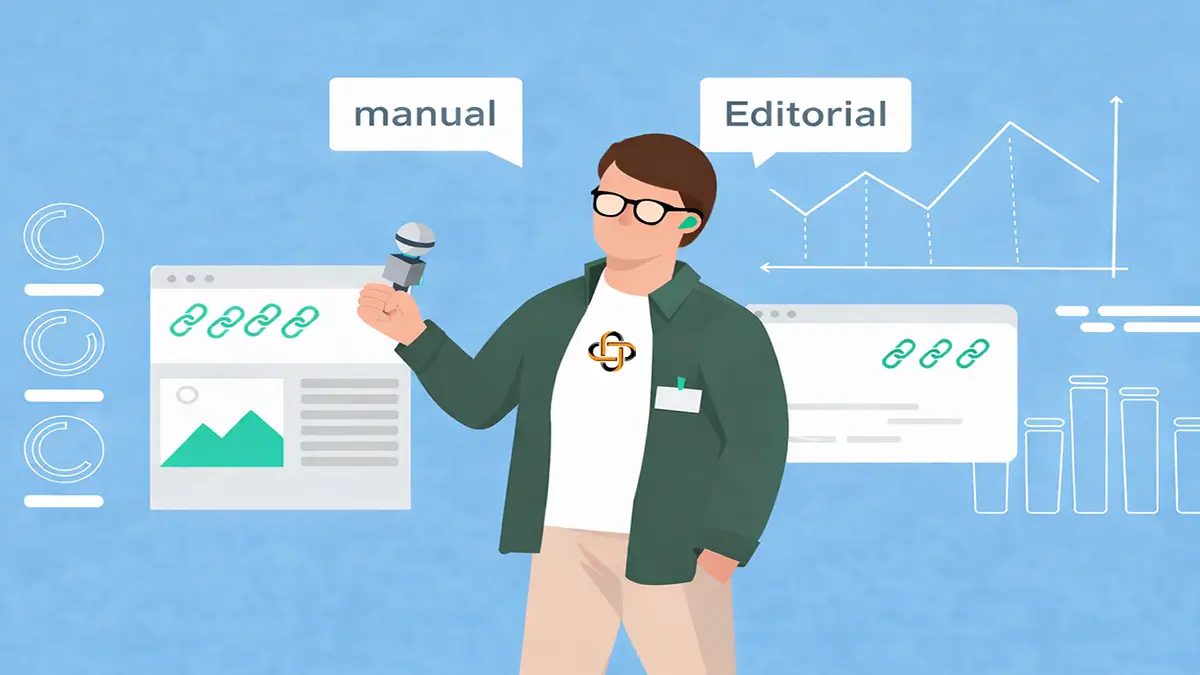

Yes — backlinks still matter in 2026, but their role has fundamentally shifted. The question is no longer “how many links do you have?” — it is “do the right sources trust you?”
According to SparkToro’s 2024 research, nearly 60% of Google searches now end without a click — meaning AI summaries and Knowledge Panels are answering questions before users ever reach a website. If your brand is not being cited inside those AI responses, you are invisible to a growing share of your audience.
Search has Fundamentally Changed
Ten years ago, SEO was straightforward: earn more backlinks, climb the rankings. Today, that playbook is outdated.
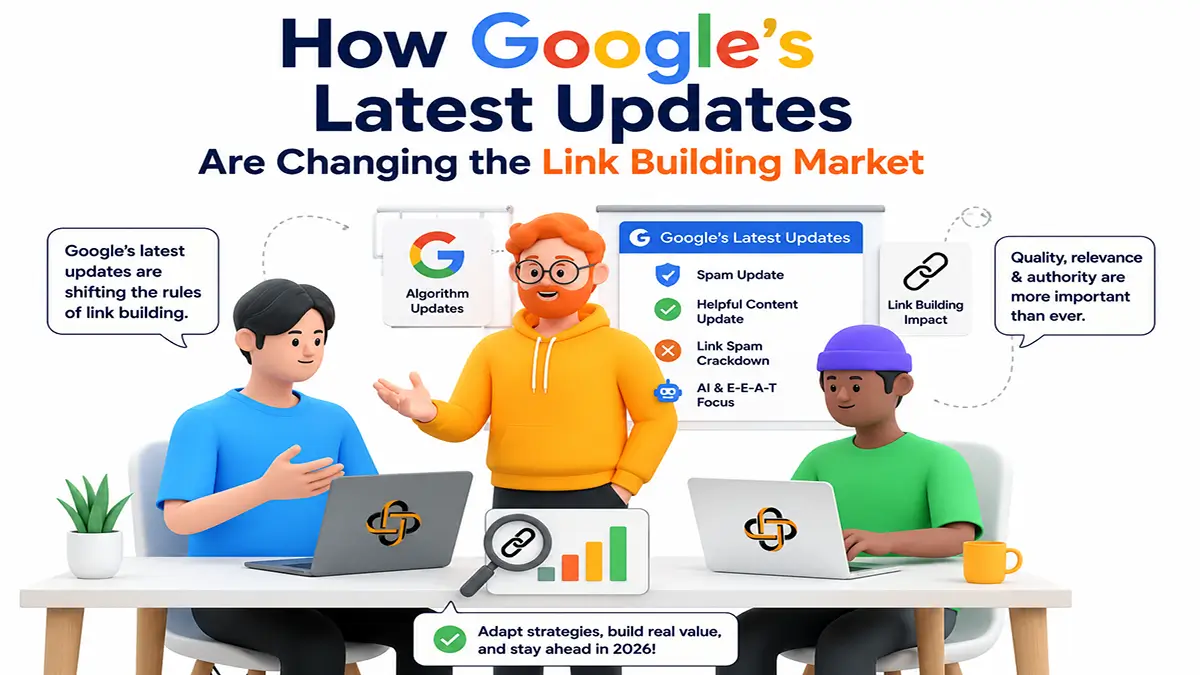
The rise of Google AI Overviews (AIO), Generative Engine Optimization (GEO), and Large Language Model (LLM) technology has changed what search engines actually reward. Google no longer just indexes pages — it interprets them, evaluates credibility, and decides which brands deserve to be surfaced inside AI-generated answers.
Backlinks are central to this new reality. They signal to both Google and AI systems that your content is not just published — it is endorsed, referenced, and trusted by others across the web.
The shift, in short: backlinks have moved from being ranking tools to being trust credentials.
Why Does This Question Matter More Than Ever?
The short answer: authority matters more than ever—and backlinks are still one of the strongest ways to prove it.
Google no longer just lists blue links. It now summarizes answers, compares brands, and recommends solutions directly inside AI-generated results. At the same time, tools like ChatGPT, Perplexity, and Gemini are shaping how users discover information—often without ever clicking a traditional search result.
This shift has created real confusion for business owners and marketers:
- If AI summarizes content, do backlinks still matter?
- If LLMs generate answers, does authority still count?
- If everyone can publish content instantly, how do brands stand out?
This article answers all three.
The Evolution of Backlinks: From Rankings to Recognition
In the early days of SEO, backlinks were mostly about volume. More links often meant higher rankings.
Today, backlinks serve a broader role across the entire search ecosystem. Search engines and AI systems now evaluate who is being referenced, where they are mentioned, and how consistently they are trusted across the web.
Backlinks have evolved into the following:
- Authority confirmation signals
- Brand validation references
- Entity recognition markers
- Trust indicators for AI-generated answers
In other words, backlinks are no longer simply about ranking pages; they are also about building trust among machines that understand the web.
How Google AI Overviews Evaluate Authority?
Google AI Overviews are designed to reduce confusion for users. To do that, Google must decide which sources deserve to be used, summarized, or referenced.
AI Overviews prioritize brands and pages that demonstrate the following:
- Consistent third-party mentions
- Editorial backlinks from trusted domains
- Clear topical authority
- Real-world relevance and expertise
A page with excellent content but no external validation is unlikely to dominate AI-generated results. Meanwhile, a page supported by authoritative backlinks often becomes the source Google relies on for summaries—even if it is not the longest article.
GEO (Generative Engine Optimization) and the New Role of Links
Generative Engine Optimization is not about gaming algorithms—it’s about feeding machines reliable signals. When generative systems build responses, they look for:
- Widely referenced sources
- Brands mentioned across credible publications
- Domains consistently linked within a topic cluster
Backlinks act as confidence signals. They help AI systems distinguish between opinions and authority. In GEO, backlinks do not just support rankings — they influence whether your brand is included at all in AI-generated answers.
How LLMs Use Backlinks Without “Seeing” Them?
Large Language Models don’t crawl the web the same way Googlebot does. However, the training data and retrieval systems behind LLMs heavily favor authoritative sources.
Here is why backlinks still matter for LLM visibility:
- Training data bias — During model training, well-linked content appears more frequently across the web. This means authoritative, widely-cited sources get “learned” more deeply.
- Retrieval-Augmented Generation (RAG) — Many AI tools (Perplexity, Gemini, ChatGPT with browsing) pull live results. Those results favor high-authority pages — which are almost always well-linked.
- Entity recognition — LLMs understand brands as entities. Consistent backlinks across credible sites signal that your brand is a recognized, trustworthy entity worth referencing.
When your content earns backlinks from trusted sites, it increases the likelihood that your brand appears in AI-generated answers, your domain is recognized as a credible entity, and your insights are accurately paraphrased or summarized.
Why Content Alone Is No Longer Enough?
AI has dramatically lowered the barrier to content creation. Anyone can publish articles, guides, and thought leadership at scale. This has created an oversupply of content—but not an oversupply of trust.
Search engines and AI systems now face a different challenge: deciding who deserves visibility.
That decision is increasingly based on off-page signals, including:
- Who links to you
- Who mentions you
- Who references your insights
- Who treats your brand as a source
Backlinks remain one of the clearest ways to answer those questions.
The Difference Between Low-Quality Links and Authority Signals
Not all backlinks matter equally. In fact, low-quality or manipulative links now do more harm than good — especially in an AI-driven ecosystem that evaluates trust patterns over time.
What works in 2026 is:
- Editorial backlinks from relevant publications
- Contextual mentions within meaningful content
- Links surrounded by topical relevance
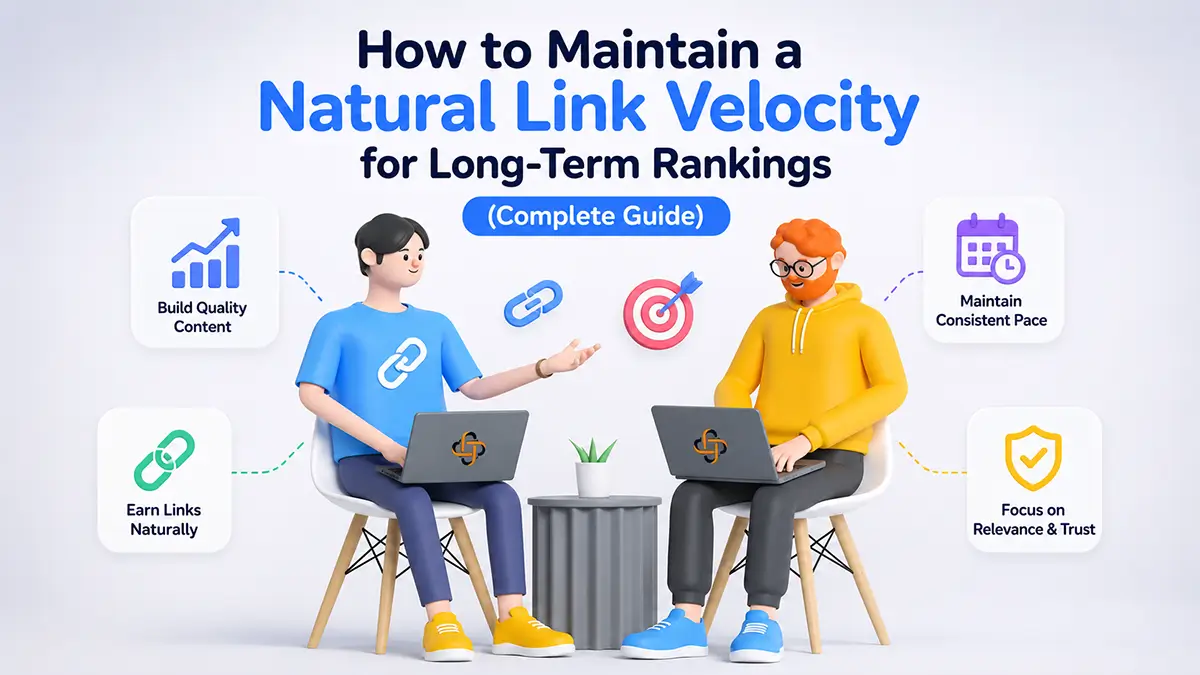
- Natural link velocity aligned with brand growth
What hurts:
- Paid link schemes
- Irrelevant directory submissions
- Automated link building at scale
- Links from unrelated or low-authority domains
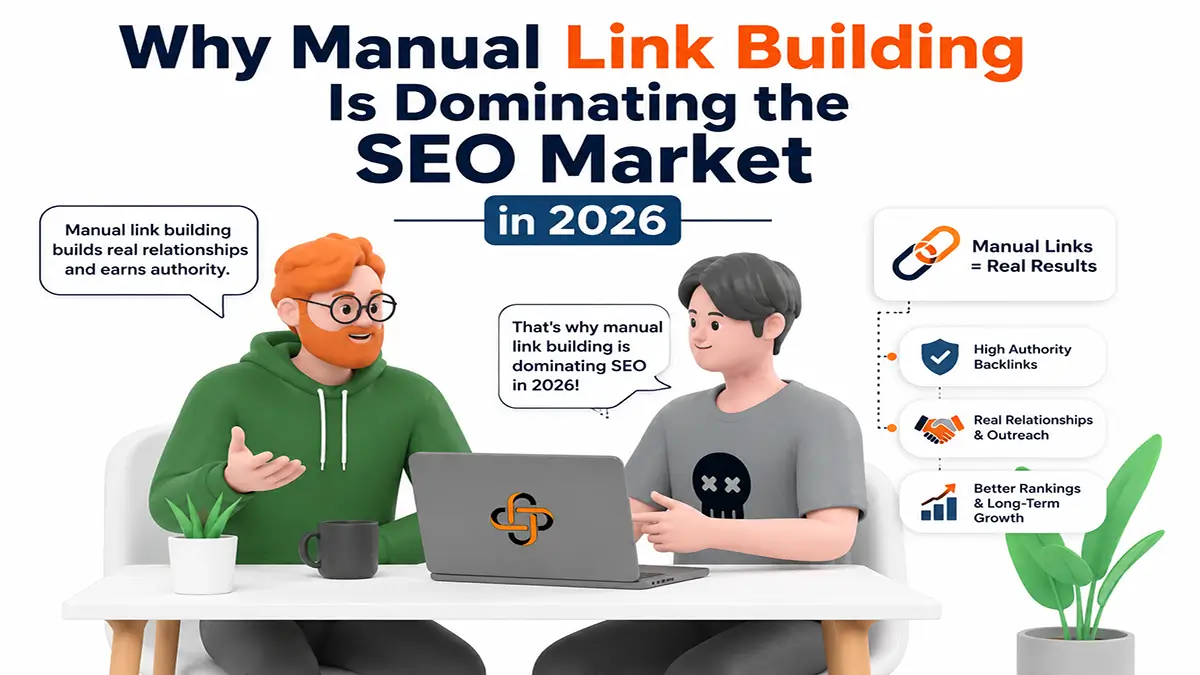
This is why serious businesses are moving away from volume-based link tactics and toward strategic authority-building.
Backlinks and Brand Mentions: The New Power Pair
In 2026, backlinks and brand mentions work together to build visibility.
Even unlinked brand mentions can reinforce authority—but backlinks remain the strongest confirmation signal because they combine reference + endorsement.
When authoritative sites link to your brand:
- Search engines trust your content more
- AI systems are more likely to cite you
- Users perceive your brand as credible
This combination is what drives sustainable visibility across search, AI Overviews, and conversational interfaces.
Why Businesses Are Investing More in Backlinks — Not Less?
Despite AI disruption, backlink investment is actually increasing — and the reason is straightforward: backlinks compound over time.
Paid ads deliver traffic only while you are spending. The moment the budget stops, so does the visibility. Backlinks work differently. A single authoritative link earned today can continue influencing your visibility months or even years from now — across every area that matters:
- Rankings — sustained organic positions without ongoing ad spend
- AI visibility — consistent presence in AI Overviews and generative search answers
- Brand trust — third-party endorsement that builds credibility over time
- Conversion confidence — buyers trust brands they see referenced across the web
That compounding effect is why forward-thinking businesses no longer treat link building as a one-time SEO tactic. They treat it as a long-term brand asset — something that grows in value the longer it is maintained.
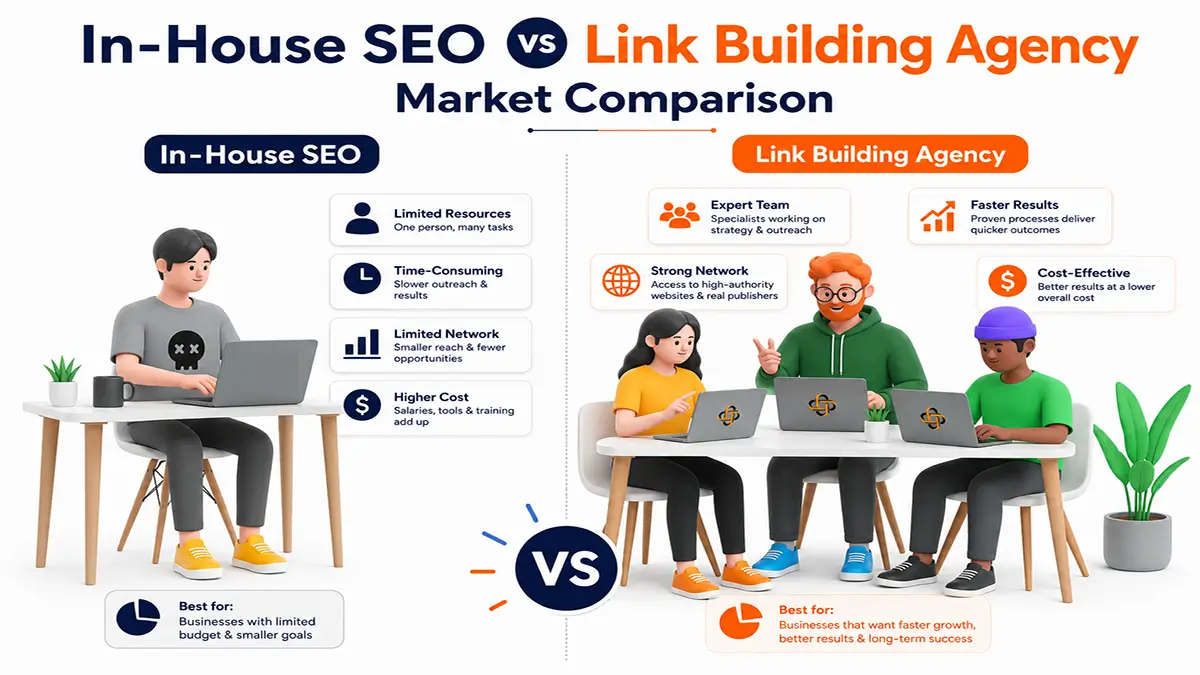
This shift in thinking is also changing how businesses choose to invest. Rather than chasing quick wins through volume, more companies are partnering with specialist link building agencies to build authority systematically — focusing on editorial relevance, topical credibility, and sustainable growth over time.
The 2026 Reality: Backlinks Are the Currency of Trust
As search becomes more interpretive and AI-driven, trust replaces tricks. And backlinks remain one of the clearest ways to earn that trust.
They are:
- Proof of credibility
- Signals of expertise
- Inputs for AI-generated answers
- Foundations of digital reputation
Which Backlink Types Matter Most for SEO in 2026?
Search engines often prioritize structured, easy-to-read information. The table below shows how different backlink types impact rankings in today’s SEO environment.
| Backlink Type |
Impact in 2026 |
Notes |
| Editorial links |
Very high |
Earned naturally from quality content |
| Digital PR |
Very high |
News coverage and data-driven stories earn high-authority links at scale |
| Guest posts (relevant sites) |
High |
Must be topically relevant |
|
HARO / expert citations |
High |
Builds E-E-A-T signals |
| Niche directory links |
Medium |
Contextual relevance matters |
| General directory links |
Low |
Little to no authority benefit |
| Spam / purchased links |
Negative |
Can trigger manual or algorithmic penalties |
Final Thoughts: Do Backlinks Still Matter?
Backlinks still matter — but smarter, fewer, and higher-quality backlinks matter far more than they once did.
The era of AI Overviews, GEO, and LLMs has shifted backlinks from a game of manipulation to one of validation. They serve as signals for both search engines and AI systems — showing which brands deserve visibility, which opinions should be heard, and which content can be trusted.
The businesses that understand this shift are not looking for shortcuts. They are patiently and consistently building authority — link by link, with intention.
That is the future of SEO in 2026.
Frequently Asked Questions
How many backlinks do you need to rank in 2026?
There is no universal number, but quality consistently outweighs quantity. A new site targeting a niche keyword can see meaningful traction with 10–20 strong editorial backlinks. Competitive industries may require significantly more. Focus on earning links from relevant, trusted domains rather than hitting a specific number.
Are backlinks still a ranking factor for Google?
Yes. Google has confirmed backlinks remain one of the top ranking signals. They help search engines measure trust, authority, and topical relevance — all of which have become more important in the AI era.
Can you rank without backlinks?
For low-competition keywords, yes. But in most industries, the top-ranking pages have meaningful external link profiles. Content quality alone rarely sustains rankings in competitive spaces.
Do brand mentions without links help?
Yes — unlinked mentions contribute to entity authority and can influence how AI systems recognize your brand. However, linked mentions remain significantly stronger.