
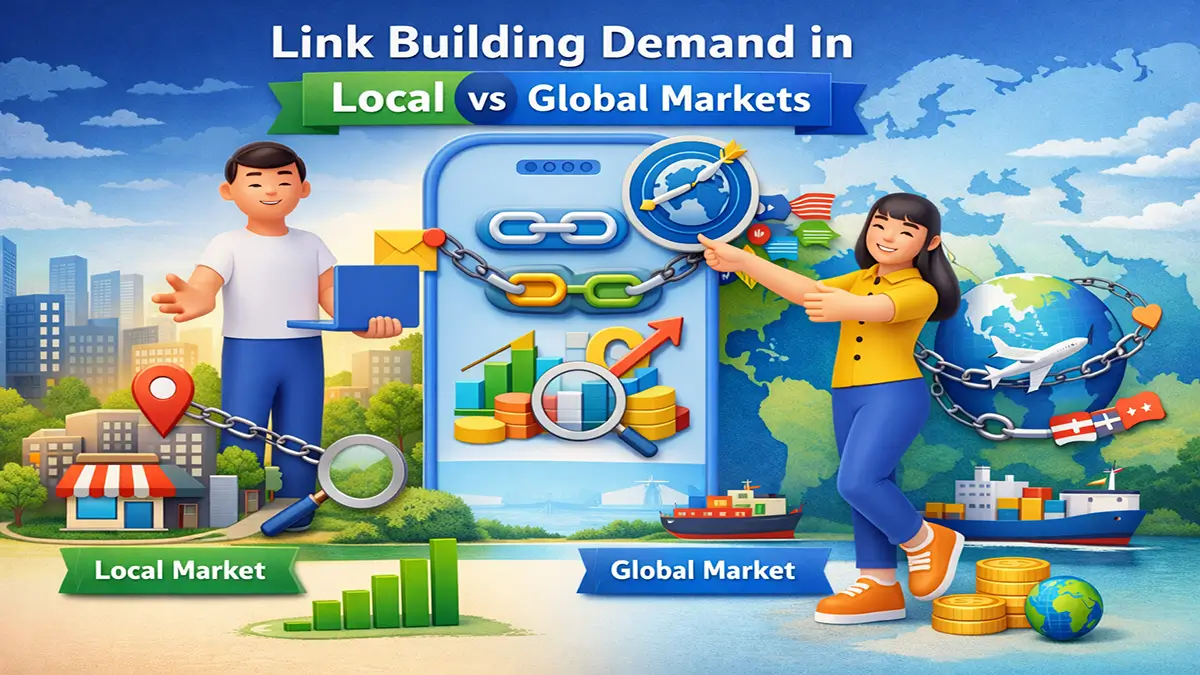
Link building isn’t just a ranking factor anymore, it’s become a trust signal that AI Overviews and LLM-based search tools use to decide what to cite. That shift matters just as much for a local plumbing business as it does for a global SaaS brand, but the two markets don’t run on the same playbook. Local and global link-building demand are both rising in 2026—for different reasons, at different price points, and with different timelines. This guide breaks down the data behind both, compares real costs, and gives you a practical way to figure out where your own business should focus.
Why Link Building Demand Is Actually Rising in 2026?
The Flood of AI-Generated Content and the Rising Value of Trust Signals
Every niche has gotten more crowded because content is now trivially easy to produce with AI, but earning genuine trust has gotten harder, not easier. When everyone can publish, the sites that stand out are the ones with real, earned third-party validation — which is exactly what link building provides.
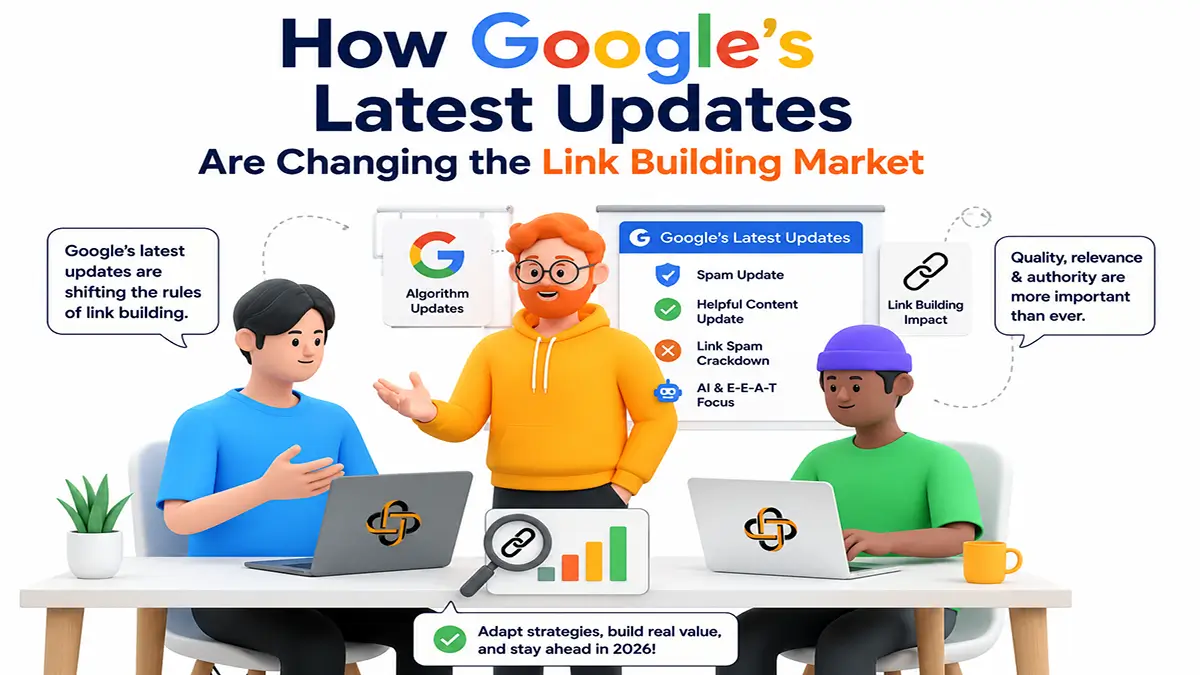
Google’s Authority-Focused Algorithm Shift
Per Google Search Central’s own guidance, it’s not the number of links that matters, it’s relevance and context. This continues to push demand away from bulk link acquisition and toward fewer, higher-quality placements from genuinely relevant sources.
The Numbers Behind the Demand
- The global SEO services market is projected to reach somewhere between $83.98 billion and $108.28 billion in 2026.
- The link-building services market alone is projected to grow from $25.97 billion in 2025 to $57.07 billion by 2030.
- 73.2% of SEO professionals still believe backlinks influence AI search results — directly contradicting the “link building is dying” narrative.
Local Link Building Demand: Why It’s So Important
The Sheer Size of Local Intent
- Roughly 46% of all Google searches carry local intent.
- “Near me” searches have grown by an estimated 900% over the past two years.
- 76% of people who perform a local mobile search visit a business within a day — meaning conversion happens far faster than in most global campaigns.
Key Characteristics of Local Link Building
- Links from region-specific websites
- Heavy emphasis on geographic relevance
- Strong reliance on local trust signals
- According to Semrush data, businesses ranking in the Local Map Pack average 993+ backlinks—proof that link volume still matters even at the local level.
The Role of the Local Pack
- Businesses ranking in the top of the Local 3-Pack receive roughly 126% more traffic than those that don’t.
- The #1 local position typically sees a CTR of around 17–18%.
Common Local Link Sources
Business directories, city/regional news outlets, local blogs, industry associations, community partnerships, and Chamber of Commerce listings.
Global Link Building Demand: Why It’s a Different Game
More Competition Demands More Authority
Global keywords are contested by thousands of competing websites, standing out typically requires genuine editorial coverage and brand mentions, not just standard placements.
Key Characteristics of Global Link Building
- Links sourced across multiple countries
- Content adapted for different cultures and languages
- Longer outreach cycles due to time zones, language barriers, and larger publisher vetting processes
The Real Challenge of International Link Building
Choosing the right domain/TLD strategy, navigating language barriers, and finding legitimate local publishers in unfamiliar markets are all practical hurdles most guides gloss over. One useful reframe: in smaller countries, there are fewer quality publishers—but there’s also less competition trying to reach them. Scarcity cuts both ways, and that can actually work in your favor if you’re an early mover in a smaller regional market.
Local vs Global Link Building — Cost Comparison (2026 Data)
| Link Type | Local Link Building | Global Link Building |
| Directory/citation link | $20–$50 | Not applicable |
| Standard guest post (DR 30–50) | $100–$400 | $300–$600 |
| Premium editorial (DR 60+) | Less common | $500–$2,000+ |
| Digital PR placement | Rare | $750–$2,000+ |
| Average acceptable backlink cost (2026) | — | $508.95 (up from ~$350 in 2022) |
| Monthly retainer | $500–$1,500 (small business) | $3,000–$25,000+ |
Regionally-targeted links (US/UK/EU) also tend to run 10–20% more expensive than average global placements, reflecting the higher demand for that regional relevance.
Key Differences: Local vs Global Markets
| Factor | Local Market | Global Market |
| Audience | Specific geographic area | Multiple countries |
| Competition | Low–moderate | Much higher |
| Link source | Local directories, regional news | International media, niche authority sites |
| Cost | Relatively lower | Higher |
| Speed of results | Faster | Slower but scalable |
| Strategy focus | Proximity, relevance | Authority, trust, scale |
| AI search impact | AI Overviews appear in 68% of local queries, but earning a citation there is roughly 30x harder than ranking traditionally | AI citation typically requires DR 60+ editorial links, tying directly into global authority building |
Which Market Has More Demand? (Volume vs. Value)
Local = High Volume Demand
Far more businesses need local link building, since nearly every local business benefits from it.
Global = High Value Per Project
Fewer businesses pursue global campaigns, but each one typically commands a significantly larger budget.
In short: local means more clients at a lower budget each; global means fewer clients, but each one is worth substantially more.
Which Market Should Your Business Focus On? (Self-Assessment Checklist)
Ask yourself:
- Does your customer base come from one specific city/country or from anywhere in the world?
- Is your product/service physically delivered (better suited to local) or fully digital (better suited to global)?
- What’s your monthly budget? Smaller budgets are usually better served starting local.
- Is your goal quick lead generation or long-term brand authority building?
Your answers to these four questions will point you toward the market that fits your current stage—local-first for most small, service-based businesses; global-first for digital products with no geographic constraint.
Strategy for Local Campaigns
- Region-specific content with geographic keyword targeting: Write content that includes city or area names (e.g., “Best Plumber in Dhaka”) so search engines understand exactly where you serve customers.
- Consistent local directory and citation listings: Keep your business name, address, and phone number (NAP) identical across Google Business Profile, Yelp, and other local directories—inconsistency erodes trust with search engines.
- Local editorial mentions (city news outlets, local blogs): Getting featured or mentioned by a local newspaper, city magazine, or regional blog is a strong trust signal, since it comes from a genuinely region-relevant source.
- Combining link building with Google Business Profile optimization: Don’t rely on links alone — keep your GBP profile active with reviews, photos, and posts. Pairing this with link building makes it easier to rank in the local pack.
- Community partnerships and sponsorship links: Sponsoring a local event, sports team, or community organization often earns you a link on their site, genuine, region-specific, and naturally earned.
Strategy for Global Campaigns
- Prioritizing domain authority and topical relevance over volume: Instead of chasing many links, aim for a smaller number of strong links from high-authority, topically relevant sites — quality matters more at the global level.
- Editorial guest posts and digital PR outreach: Contribute genuine, well-researched guest posts to international publications or offer expert commentary to journalists—this builds broad-reach authority.
- Diversifying referring domains across multiple regions: Earning links from multiple countries and regions, rather than just one, makes your link profile look natural and globally credible.
- Producing culturally adapted content for each target market: Don’t just translate content, adapt it to fit the culture, tone, and context of each target market’s audience.
- Building long-term link equity rather than chasing quick wins: Don’t just translate content, adapt it to fit the culture, tone, and context of each target market’s audience.
Common Challenges in Local and Global Markets
Local Challenges
- Limited pool of quality local link sources: Any given city or region only has so many real newspapers, blogs, and directories—once you’ve tapped the good ones, options run out fast.
- Difficult to scale beyond a certain point: Local link building works well up to a point, but since it’s tied to one geographic area, growth naturally plateaus—there’s a ceiling on how much authority you can build locally.
Global Challenges
- Language and cultural barriers: Content and outreach need to be adapted for each target market, not just translated, tone, context, and cultural nuance matter, which slows the process down.
- Heavier competition for editorial placements: Thousands of sites are competing for the same high-authority publications, making editorial links much harder to earn than in a smaller local market.
- Confusion around domain/TLD strategy: Deciding between a single global domain, country-specific TLDs (like .co.uk or .de), or subfolders is a real strategic challenge — the wrong choice can hurt both SEO and user trust in different regions.
How AI Search (SGE/AI Overviews/LLM) Is Reshaping Link Building Demand in 2026
- AI Overviews now appear in roughly 68% of local searches.
- Earning brand citations in Google’s AI Mode, Perplexity, and ChatGPT increasingly depends on DR 60+ editorial links—a view shared by 73.2% of SEO professionals.
- In both local and global contexts, entity recognition has become a new KPI for backlinks, alongside traditional ranking impact.
When You Need a Professional Link Building Service?
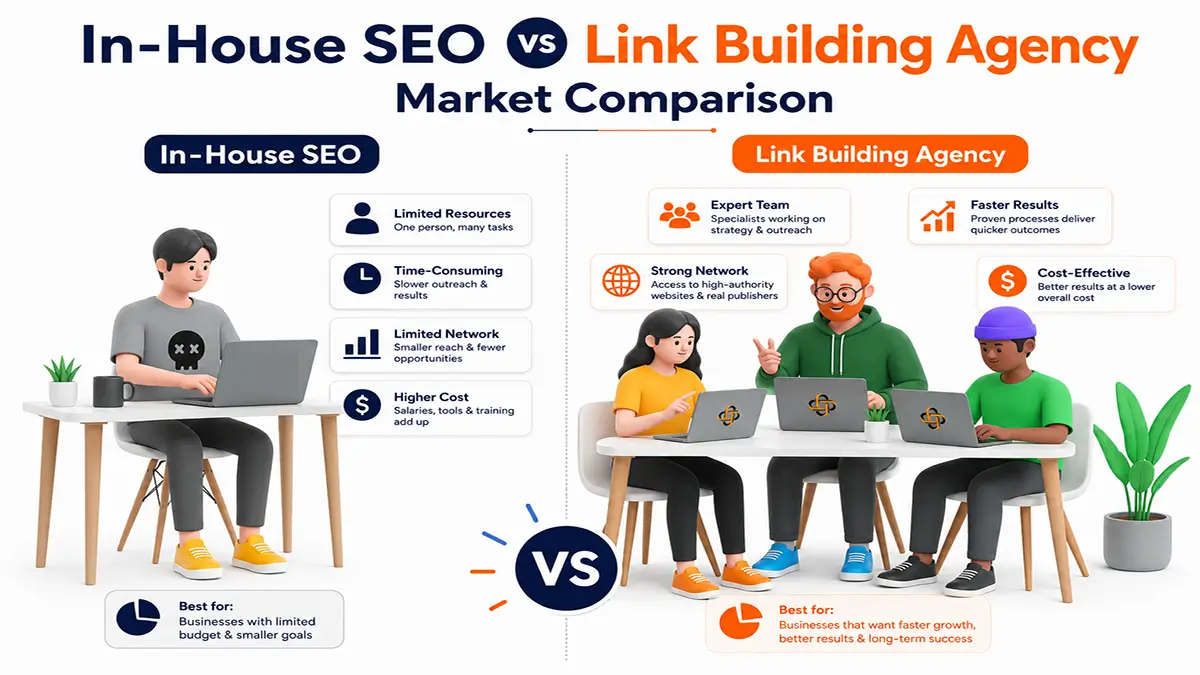
Consider outside help when your in-house team lacks the bandwidth for consistent outreach or when you’re entering a new (especially global) market without existing publisher relationships. When vetting an agency, prioritize transparent reporting, white-hat practices, and clear industry experience relevant to your market.
What to Expect Going Forward (2026 and Beyond)?
- The quality-over-quantity trend will keep intensifying: Fewer links will be expected to do more work — but those links will need to be genuinely relevant and high-trust. The era of bulk link building is winding down.
- Manipulative link profiles will become easier for Google to detect: As SpamBrain and other AI-based detection systems get more sophisticated, PBNs, paid links, and scaled schemes will become easier to catch, making manipulative tactics an increasingly risky bet.
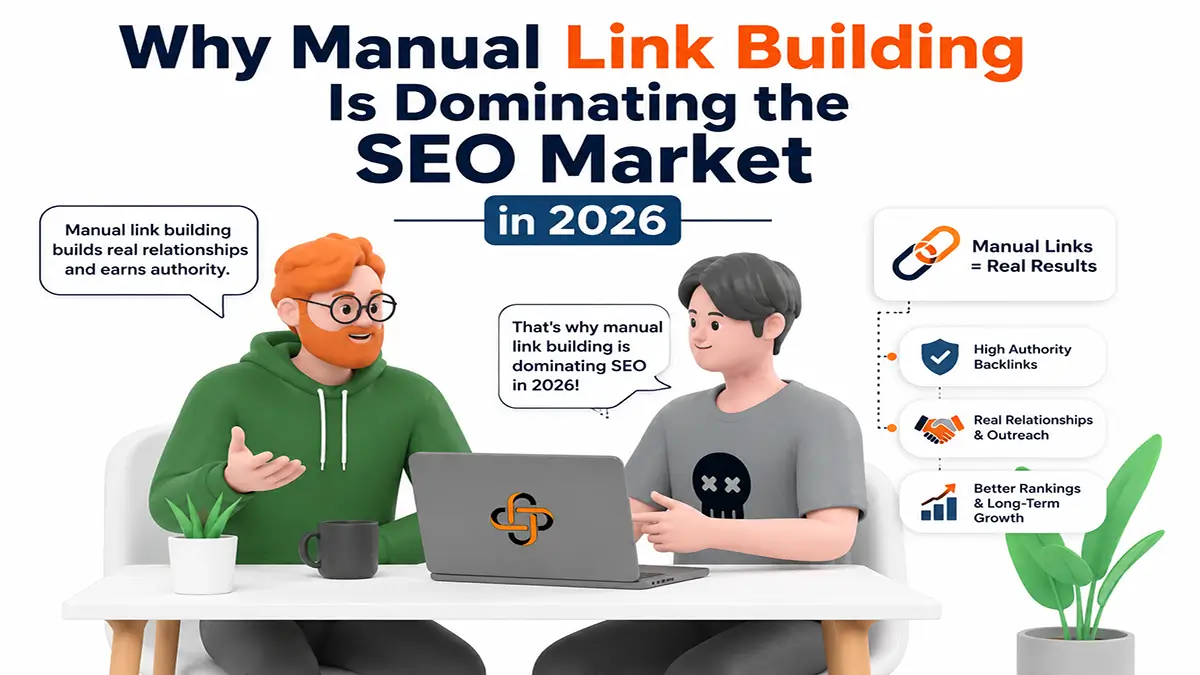
- Trust-based links will be the ones that endure: Whether local or global, links that are genuinely earned, editorially placed, and backed by real audience trust will hold up over the long term—while shortcut-based links will keep losing value over time.
Frequently Asked Questions
Is local link building necessary for a global business?
Yes, if you have physical locations or serve specific regions, local signals still matter even for otherwise global brands with location-based offerings.
Local or global—which should a new website start with?
Most new websites should start local. It’s cheaper, faster to show results, and builds a trust foundation before expanding into more competitive global markets.
How long after ranking in one country should you expand globally?
There’s no fixed timeline, but most businesses wait until they have stable rankings and consistent traffic in their home market — typically 6–12 months — before investing in global expansion.
What’s the best way to measure link building ROI in 2026?
Track a combination of referring domain growth, organic traffic to linked pages, and—increasingly—brand citation frequency in AI Overviews and LLM-based search tools, not just raw backlink count.
Final Thoughts
Local link building gets you faster, more affordable wins with a clear geographic focus. Global link building costs more and takes longer but unlocks a much bigger addressable market and higher per-project value. For most businesses, the most sustainable path is starting local, building a trust foundation, and scaling into global markets once that foundation is solid.
If you’re unsure which market makes sense for your current stage, a strategy call can help map out the right approach.